
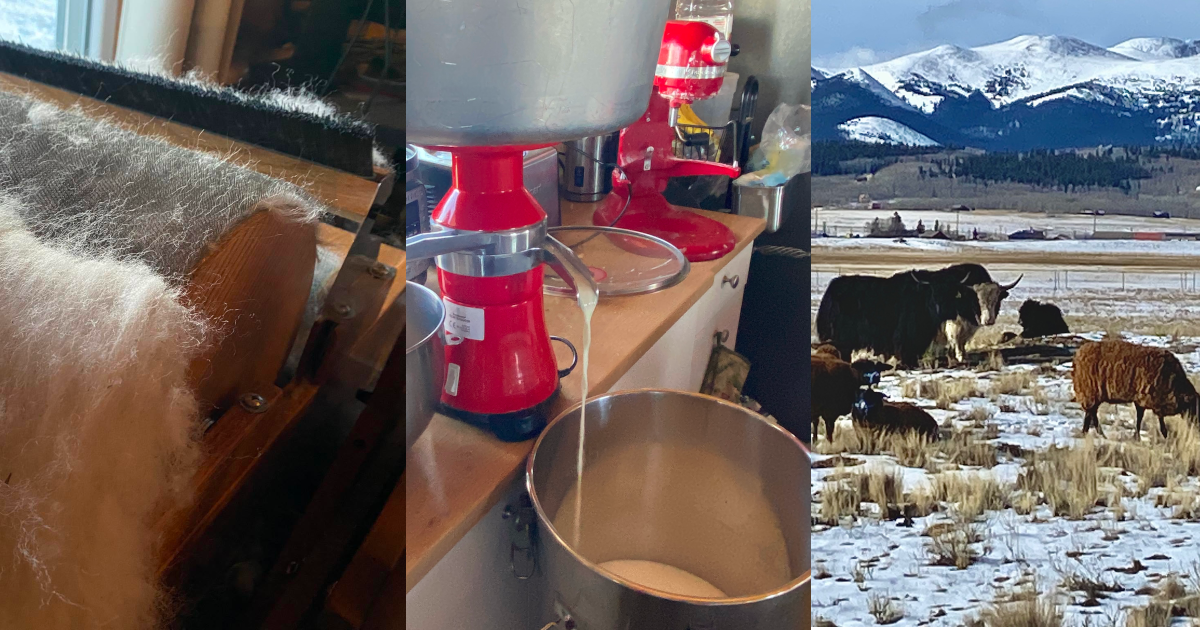
On a homestead, every resource counts—space, feed, time, labor, and capital. Raising animals solely for one output (meat chickens that never lay, dairy cows that produce nothing but milk, or fiber sheep kept only for wool) can work on large operations with specialized infrastructure. On a small or mid-scale homestead, it is often inefficient. Emphasizing multi-purpose animals—those that deliver two or more valuable products or services—improves resilience, reduces waste, and accelerates progress toward true self-sufficiency.
Caring for animals already demands daily labor. Multi-purpose stock multiplies the return on that labor. Time spent milking a sheep also yields the raw material for cheese, yogurt, soap, or feeding other livestock. Time spent managing sheep produces fiber for spinning or sale, meat, and improved pasture fertility. The same hours generate more useful outputs, freeing time for other homestead priorities—gardening, building, or family.
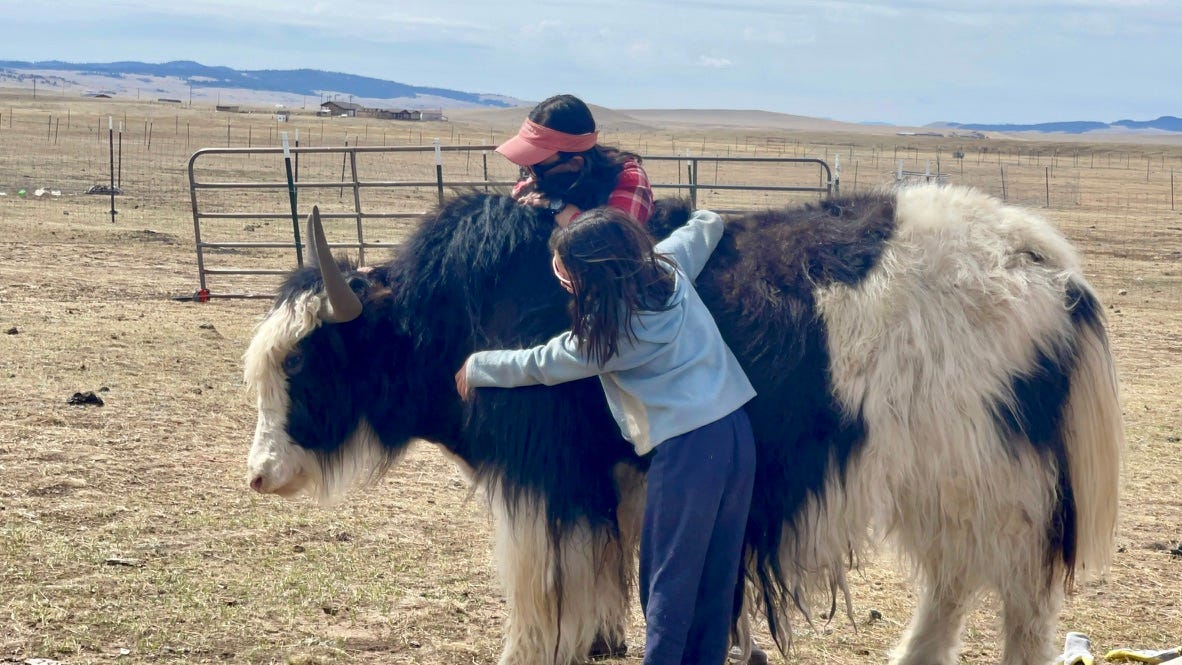
Animal of Choice at The Dancing Yak Ranch
Bluefaced Leicesters: These longwool sheep deliver high-quality, lustrous fleece prized for spinning and commercial wool markets, solid meat carcasses, and exceptional hybrid vigor when crossed with other breeds to produce hardy “mule” ewes. Their dual contributions of fiber and meat, combined with strong maternal traits in crosses with great milking potential, making them efficient multi-purpose stock for homesteads seeking both wool income or home use and a reliable meat / milk supply.
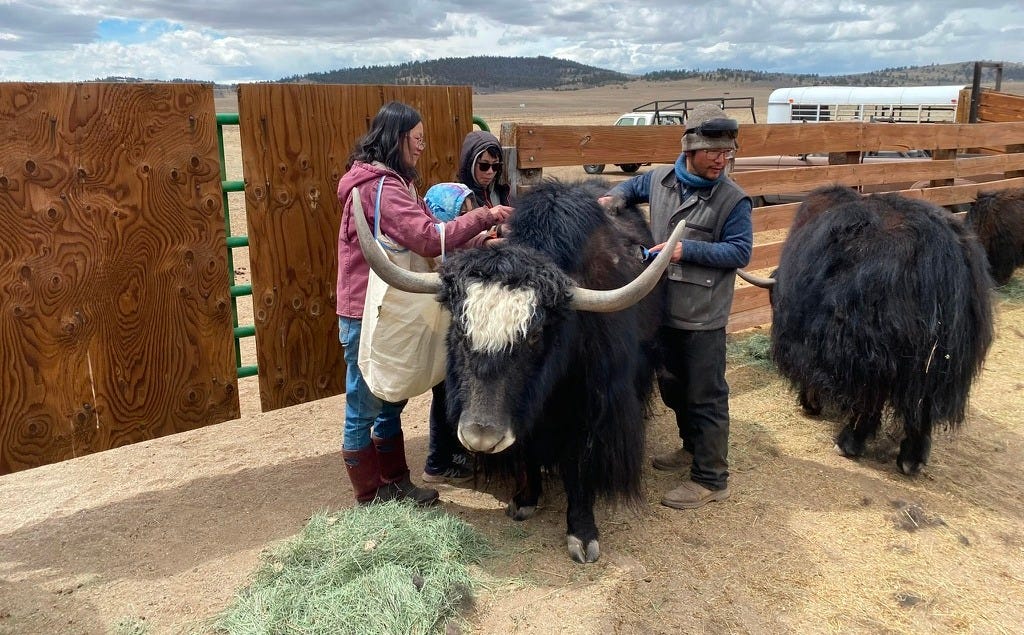
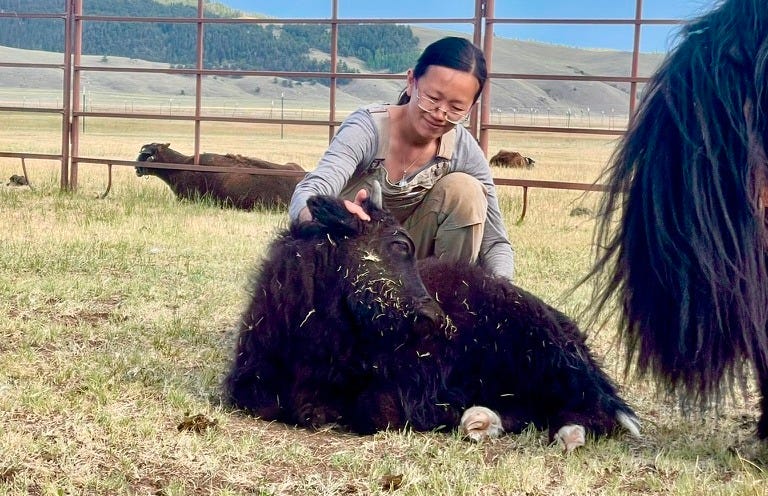
Yaks: These cold-hardy bovines supply rich, high-butterfat milk for cheese, yogurt, or butter; lean, flavorful meat; soft undercoat fiber (yak wool or down) for spinning or insulation; and durable hides. They also serve as pack or light draft animals and as guardian animals. Their ability to thrive on marginal forage in harsh climates turns limited pasture into multiple products and services with relatively low external inputs.
Trade-offs and Realistic Expectations
Multi-purpose animals are rarely the absolute highest producers in any single category. A specialized broiler reaches market weight faster than a dual-purpose bird; a high-volume dairy Holstein outproduces most dual-purpose cattle. Homesteaders must accept moderate rather than maximum yields in exchange for versatility. Careful breed selection, good management, and realistic record-keeping help balance the equation. Starting small and tracking actual outputs (eggs per bird, milk per ewe, meat yield, labor hours) reveals whether the multi-purpose approach is delivering net gains on a particular homestead.


Building a More Independent Homestead
The goal of most homesteaders is greater independence from external supply chains and markets. Multi-purpose animals advance that goal by turning limited resources into multiple streams of food, fiber, fertility, and labor-saving services. They reduce the number of specialized systems that must be maintained and buffer the household against shocks. Over time, this approach compounds: healthier soil from animal integration supports better forage and gardens, which in turn support healthier animals, which return more products and services.
Emphasizing multi-purpose livestock is not a rigid rule but a practical principle. Evaluate each animal for the full range of contributions it can make—food, fiber, work, fertility, and ecosystem services—then design systems that capture as many of those contributions as possible. The result is a more efficient, resilient, and satisfying homestead.
This is awesome information. You have an amazing farm!
Are you still planning to offer a CSA this fall?