
A Breed Built for Excellence
The Bluefaced Leicester is immediately recognizable. Its clean, wool-free face reveals that signature blue skin tone, framed by bright, alert eyes and long, erect ears. The body is long and elegant yet substantial—rams commonly weigh 200–250 pounds (with some approaching 300), while ewes range from 150–175 pounds or more. Despite their size, these sheep move with athletic grace and carry themselves with a bold, purposeful presence. Both sexes are polled, and the clean-legged, clean-bellied conformation makes shearing and general management far easier than with many wool breeds.
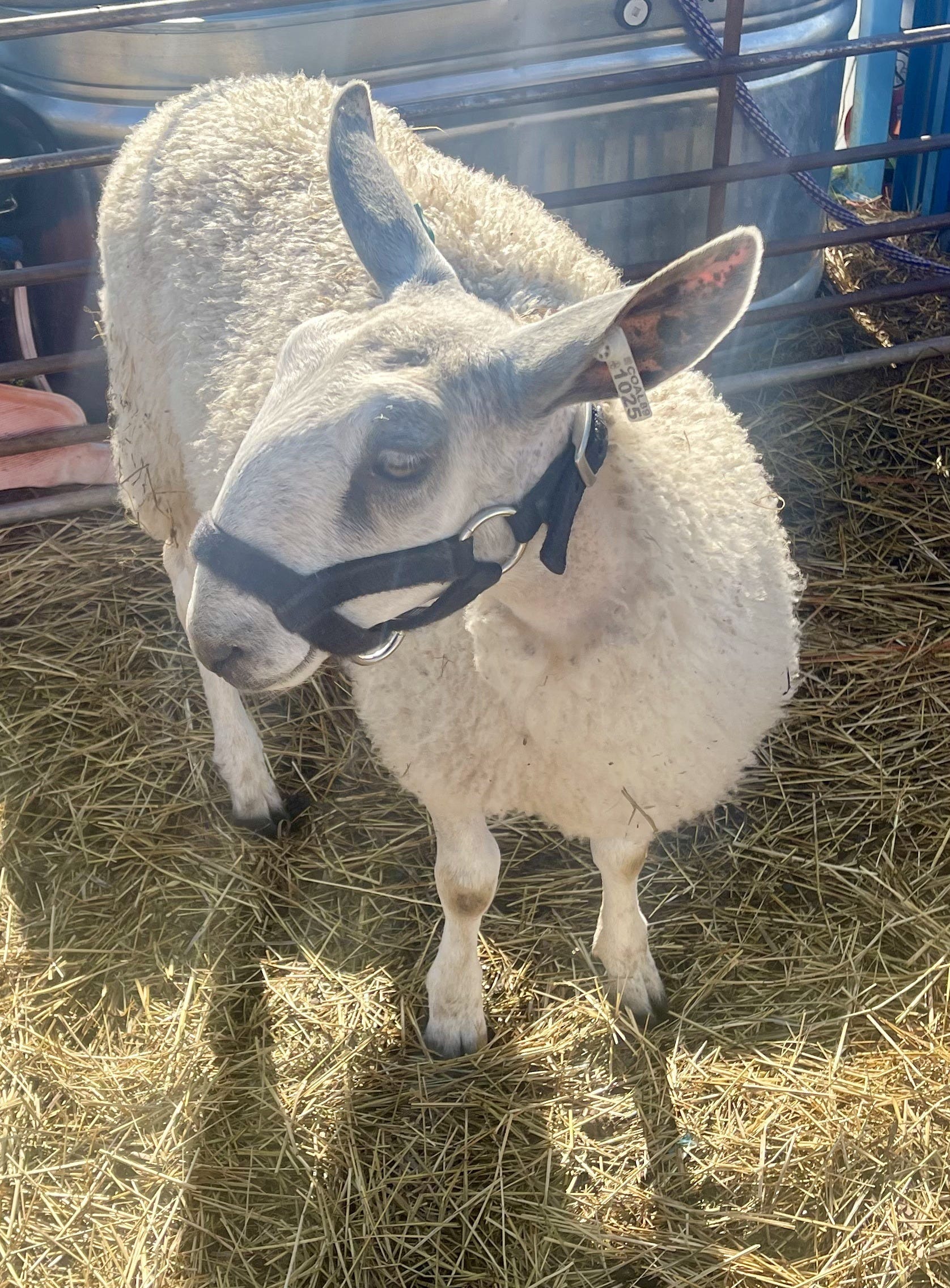
What truly sets the BFL apart, however, is its reproductive performance. It ranks among the most prolific of all native British breeds. Mature ewes routinely achieve lambing percentages of 200–250%, and they possess the milking ability and maternal instinct to raise those multiples successfully on well-structured udders. This combination of high fertility and strong mothering makes the Bluefaced Leicester a powerhouse in commercial systems.
The Master of Crossbreeding
The breed’s greatest claim to fame lies in its role as a terminal sire for producing the legendary “Mule” ewe. When a Bluefaced Leicester ram is mated to hardy hill ewes (such as Scottish Blackface, Swaledale, or Welsh Mountain), the resulting female offspring inherit an outstanding blend of traits: the hardiness and foraging ability of the dam, plus the length of body, milkiness, prolificacy, and improved fleece quality of the BFL. These Mule ewes have become the backbone of much of the British commercial sheep industry precisely because of the Bluefaced Leicester’s genetic contribution. Few other breeds can claim such widespread, practical influence.
Wool Worth Celebrating
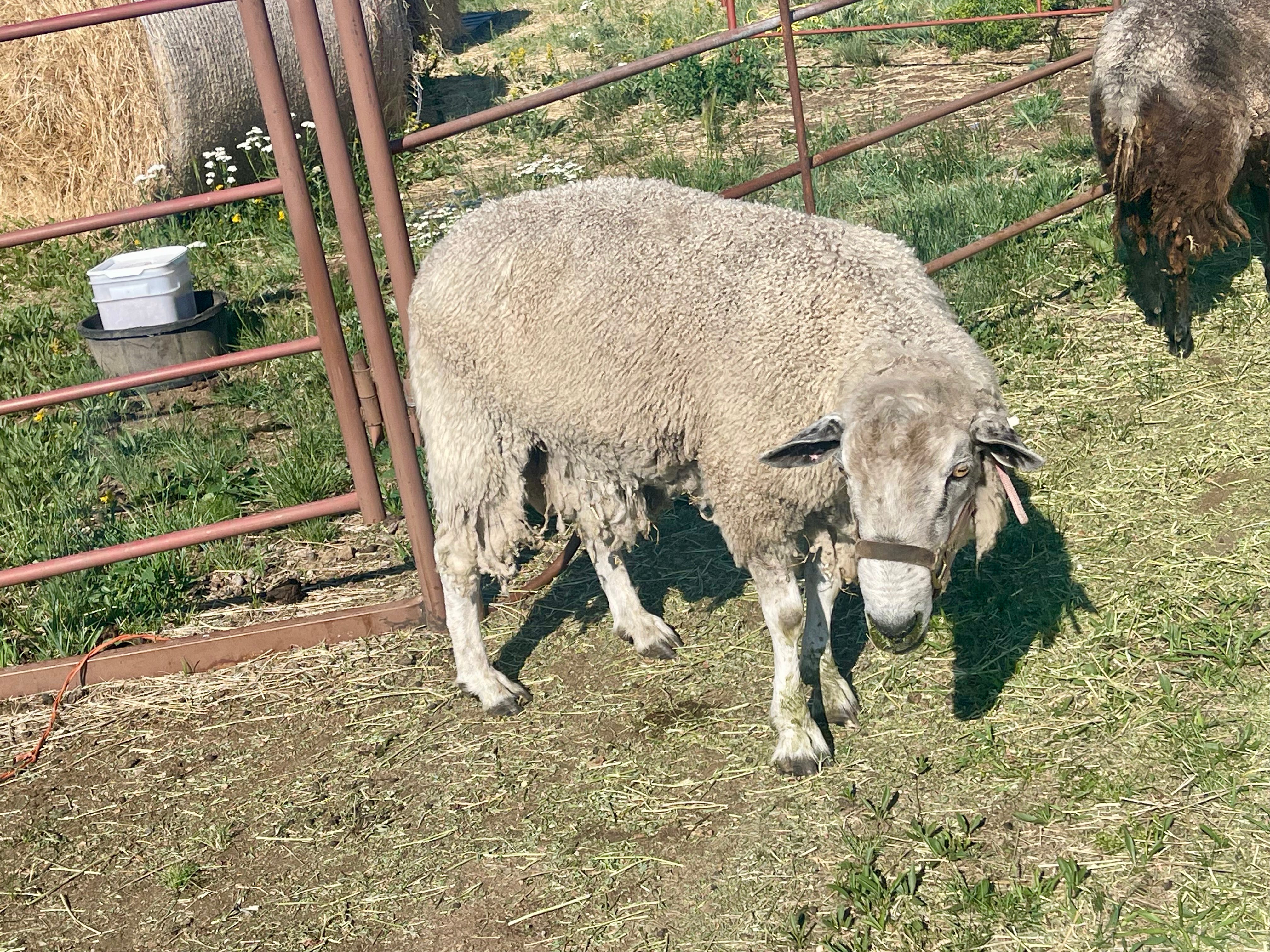
While the BFL’s value as a crossing sire is immense, its fleece is equally impressive. Classified as a longwool, it produces a semi-lustrous fiber in the 24–28 micron range (56s–60s count) with a staple length of 3–6 inches and fleece weights typically between 2½ and 4½ pounds. The wool is fine, dense, tightly purled, and opens cleanly to the skin. It takes dye beautifully, exhibits excellent drape, and possesses a soft hand that many fiber enthusiasts describe as next-to-skin comfortable—remarkable for a longwool.


Handspinners and knitters particularly prize BFL for its combination of softness, durability, shine, and versatility. The long staple length reduces pilling and increases strength, while the natural luster creates yarns with a subtle sheen and lovely drape. Whether spun into luxurious next-to-skin garments or sturdy everyday knits, Bluefaced Leicester wool delivers performance that few other longwools can match.
Temperament and Practicality
Beyond production traits, Bluefaced Leicesters are known for their manageable dispositions. Rams, despite their impressive size, are generally easy to handle. The breed’s athletic build and clean points reduce common management headaches, and its overall vigor supports strong flock health when properly cared for.
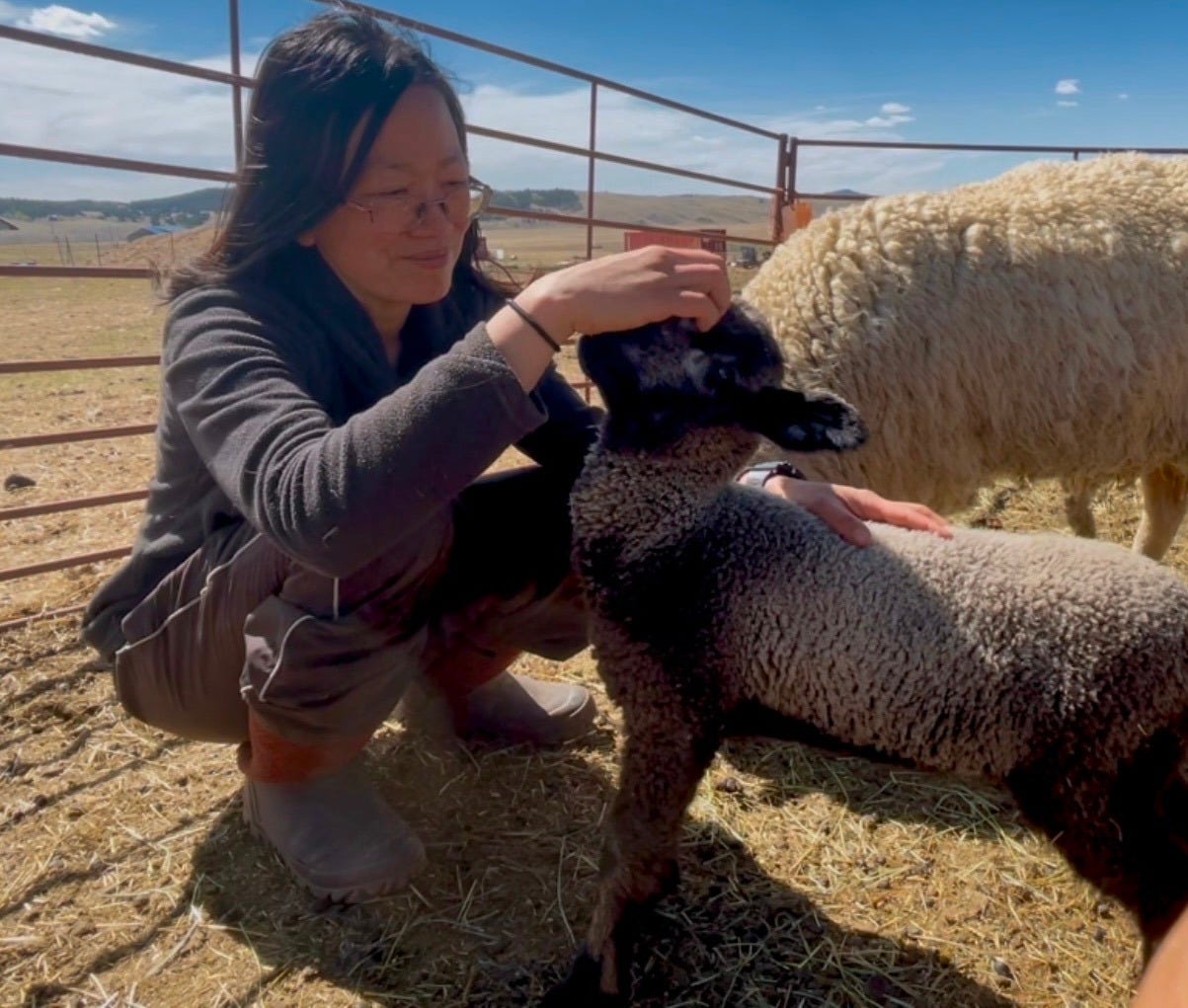
In short, the Bluefaced Leicester is a rare combination of aesthetic distinction, reproductive excellence, genetic influence, and high-quality fiber. Whether standing proudly in a purebred flock, siring the next generation of productive Mule ewes, or supplying spinners and knitters with lustrous, soft wool, the BFL continues to earn its reputation as one of the most valuable and admired sheep breeds in the world. For those who appreciate livestock that look striking, perform at a high level, and leave a lasting positive mark on the industry, the Bluefaced Leicester stands in a class of its own.
Summary
Few breeds of sheep command the quiet admiration that the Bluefaced Leicester (BFL) does among shepherds, fiber artists, and livestock breeders. Originating in the early 20th century near Hexham in Northumberland, England, this longwool breed was carefully developed from Border Leicester stock selected for its distinctive blue-tinged facial skin (white hair over dark pigment) and finer fleece. The result is a sheep that combines striking beauty, exceptional productivity, and unmatched value in crossbreeding systems.
Very interesting! Thank you ☺️