
In an age of fast fashion and lab-made miracles, something quietly revolutionary is happening in the fields, mountains, and high plateaus of the world. Sheep wool and the silky undercoat of the yak are not just fibers—they are masterpieces of biological engineering, honed over millennia by nature itself. These natural animal fibers offer a level of comfort, performance, and sustainability that no petroleum-derived synthetic can match.
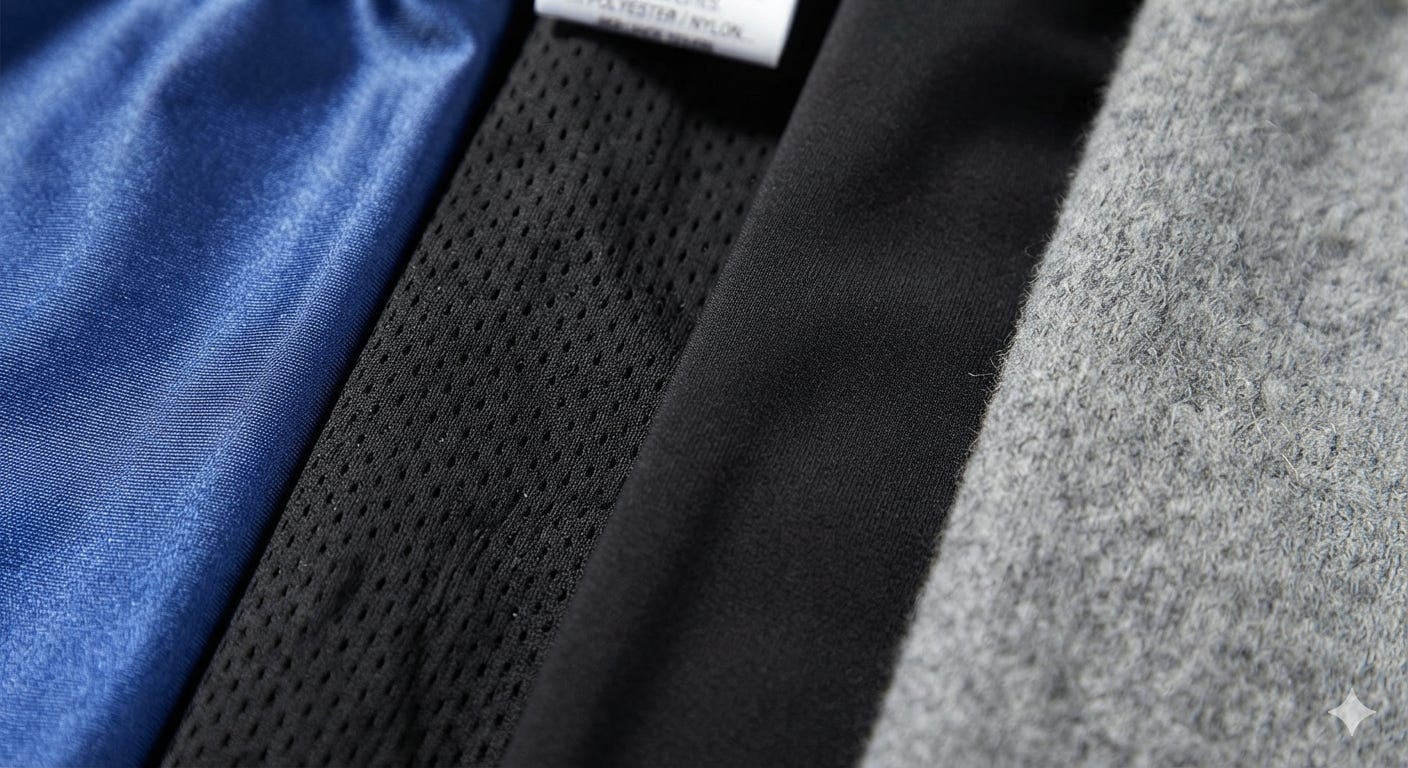
While polyester, nylon, and acrylic promise convenience and low cost, they deliver a hidden bill: environmental devastation, microplastic pollution, and fabrics that feel lifeless against the skin. Let’s celebrate the real wonders of wool and expose why the “fake fabric” era must end.
Sheep Wool: Nature’s All-Weather Armor
Sheep wool has been clothing humanity for over 10,000 years, and for good reason. Each fiber is a hollow, crimped tube that traps tiny pockets of air, creating unmatched thermal insulation. On a freezing mountain trail or a chilly city morning, wool keeps you warm without bulk. Flip the script on a hot day, and its natural breathability and moisture-wicking properties pull sweat away from your body, evaporating it into the air so you stay dry and odor-free.
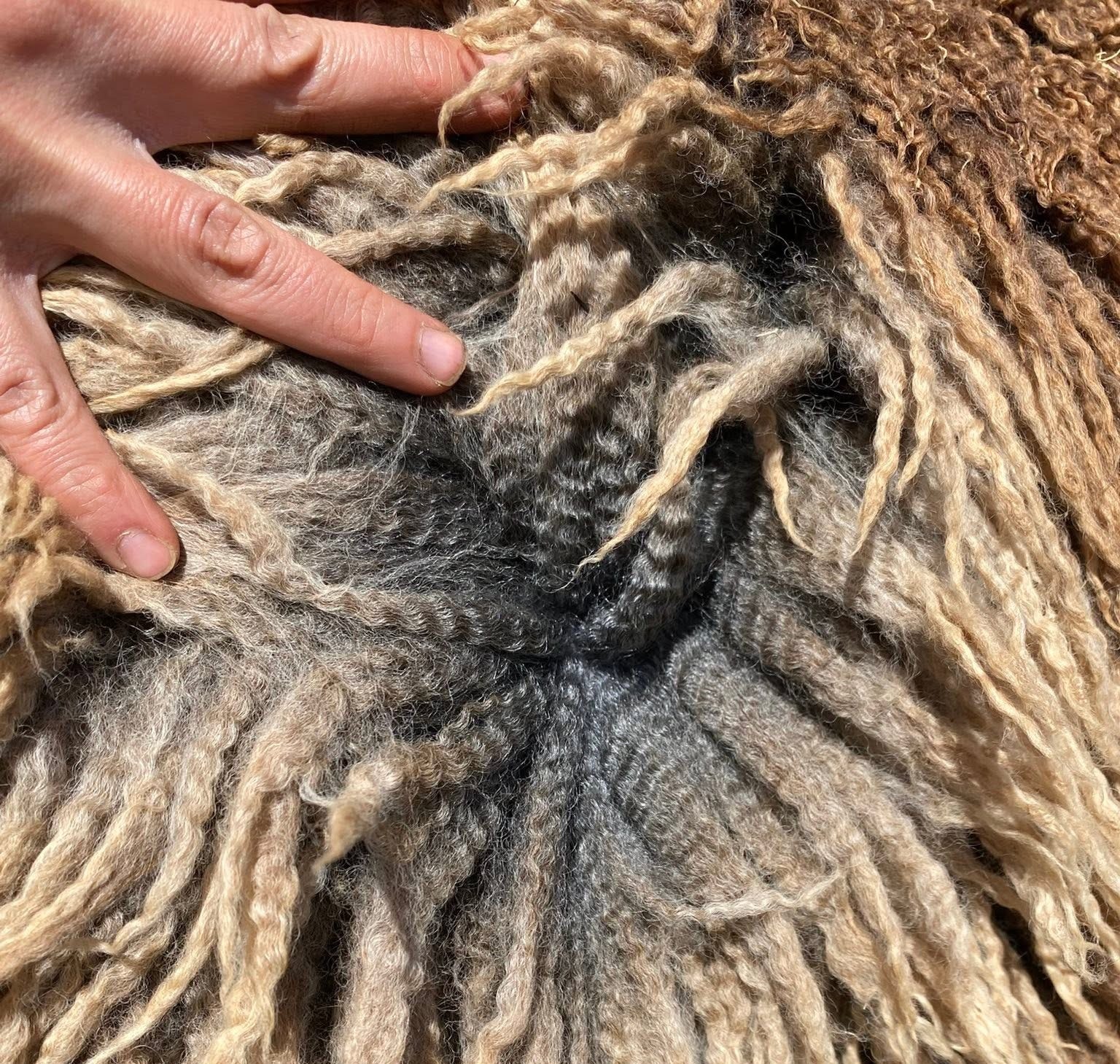
But the magic runs deeper. Wool is naturally flame-resistant—its high nitrogen and moisture content make it self-extinguishing, unlike synthetics that melt into toxic drips. It resists static electricity, repels dirt and water (thanks to lanolin), and even has antibacterial properties that prevent the buildup of odor-causing bacteria. Best of all, it’s fully biodegradable. When a wool garment finally reaches the end of its long life, it returns to the earth as nutrient-rich soil, completing a perfect closed-loop cycle.
Yak Undercoat: The Himalayan Treasure
High in the Tibetan Plateau and Mongolian steppes, yaks endure some of Earth’s harshest conditions. Their secret? A luxuriously fine undercoat—often called yak down or qiviut-like fiber—that is softer than cashmere, warmer than most wools, and astonishingly lightweight. These fibers are incredibly fine (around 15–19 microns), yet they possess extraordinary tensile strength and elasticity. A yak wool garment feels like wearing a cloud, yet it insulates better than many technical synthetics while wicking moisture and resisting odors.
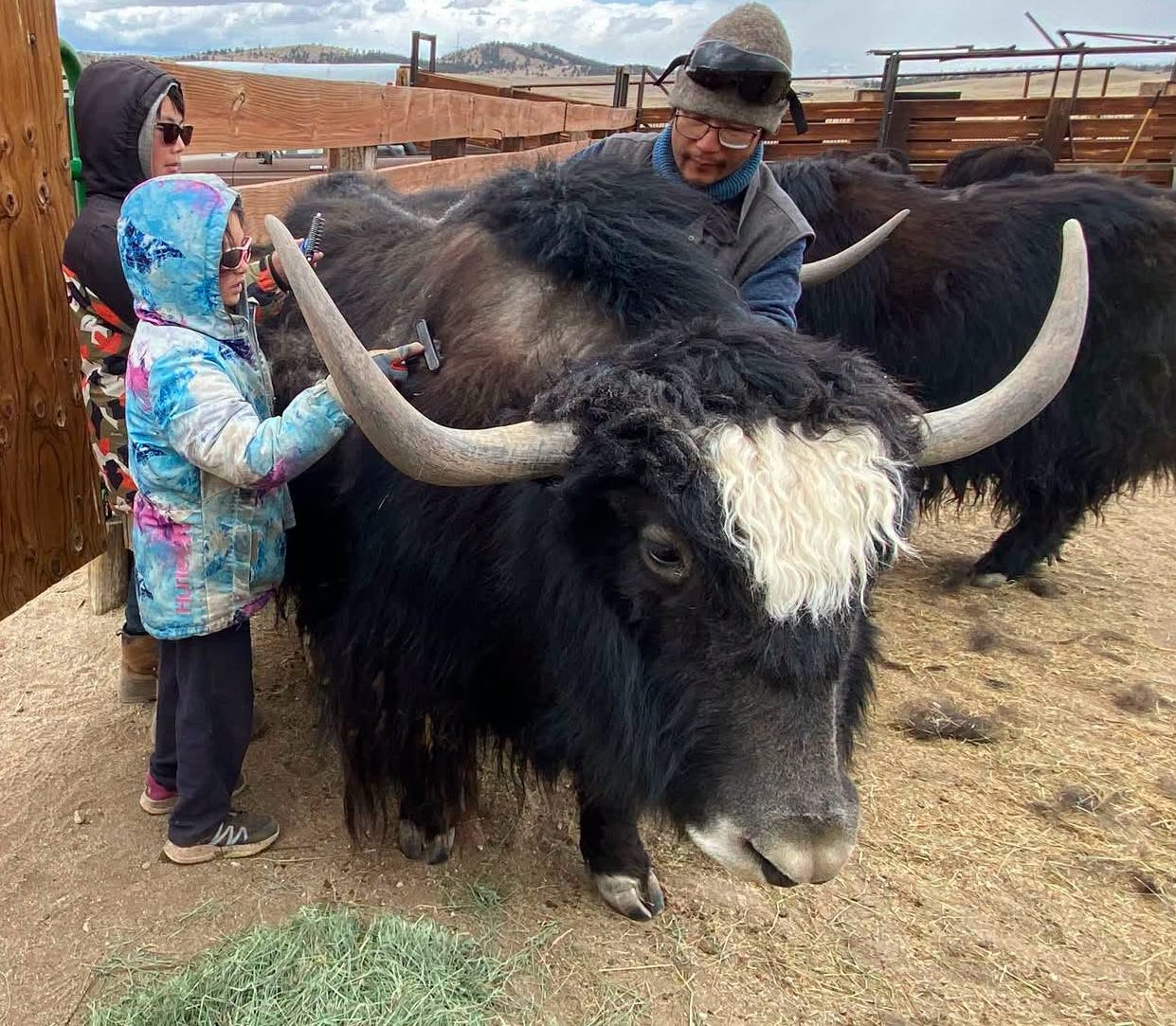
Yak undercoat is naturally UV-protective and contains no lanolin, making it gentle on skin. Because yaks thrive in extreme cold, their fiber traps heat with unmatched efficiency while allowing the body to breathe. And like its wool cousins, it biodegrades completely, leaving no trace except enriched soil. Harvested sustainably from free-roaming herds, it supports indigenous communities and regenerative grazing practices that actually improve grassland health.
The Synthetics: Comfort That Costs the Planet
Born from petroleum, synthetics feel slick and lifeless against the skin. They trap heat and moisture, leaving you clammy and smelly after minimal activity. Static cling is constant. They pill easily, lose shape quickly, and melt in fire, releasing toxic fumes. Most damning of all: they are engineered to last forever in the landfill, not on your body.
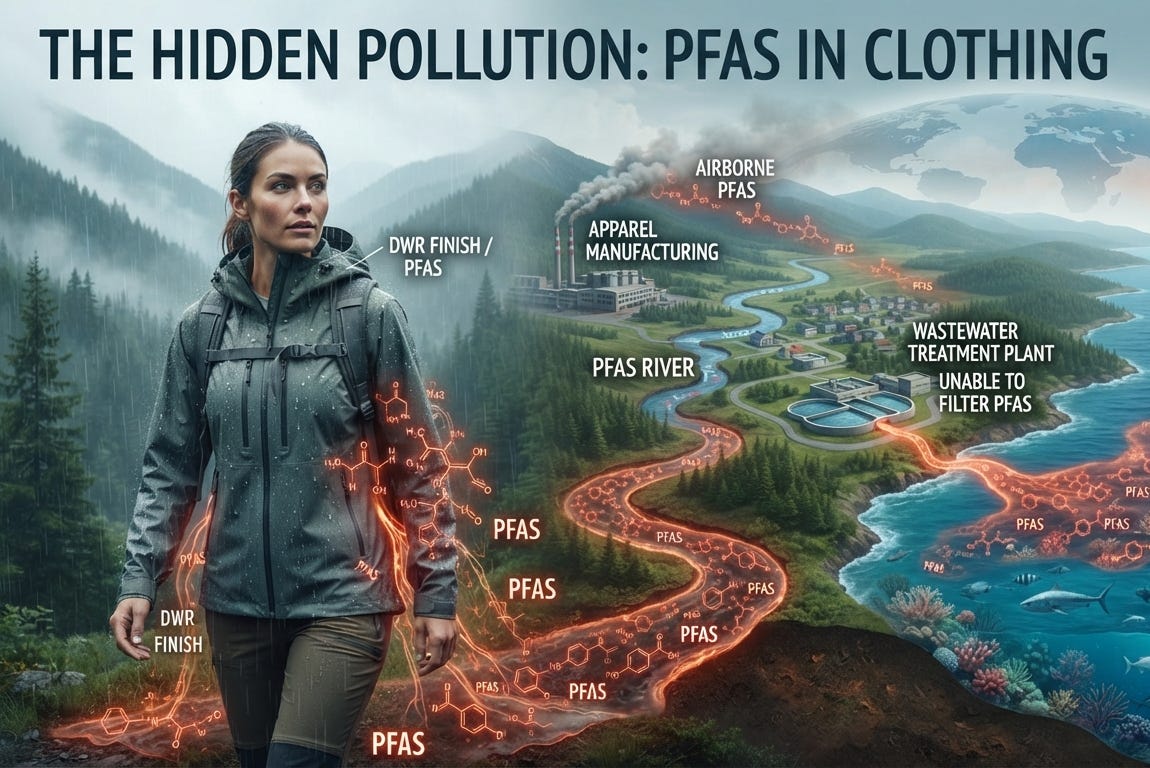
The environmental toll is catastrophic. Every time you wash a synthetic garment, thousands of microscopic plastic fibers shed into wastewater—up to 700,000 per load. These microplastics flow into rivers, oceans, and eventually our food chain. They never biodegrade; they simply break into smaller and smaller toxic particles. Synthetic textile production guzzles fossil fuels, emits massive greenhouse gases, and relies on toxic chemicals that pollute waterways. The fashion industry’s love affair with polyester has turned our oceans into a plastic soup, with synthetic microfibers now found in 83% of global tap water and even in the deepest ocean trenches.
Meanwhile, natural animal fibers operate on nature’s budget. Sheep and yaks graze on renewable grasslands. Their fibers require far less energy to process than melting plastic pellets. When responsibly raised, these animals contribute to carbon-sequestering pastures through regenerative grazing. A wool sweater can be worn for decades, then composted. A polyester shirt ends up in a landfill or incinerator, poisoning the air and soil for centuries.
A Call to Reclaim What’s Real
Choosing natural fibers reduces your personal contribution to microplastic pollution by nearly 100%. It supports ethical farmers instead of oil companies. And it feels infinitely better—soft, alive, and responsive to your body’s needs.
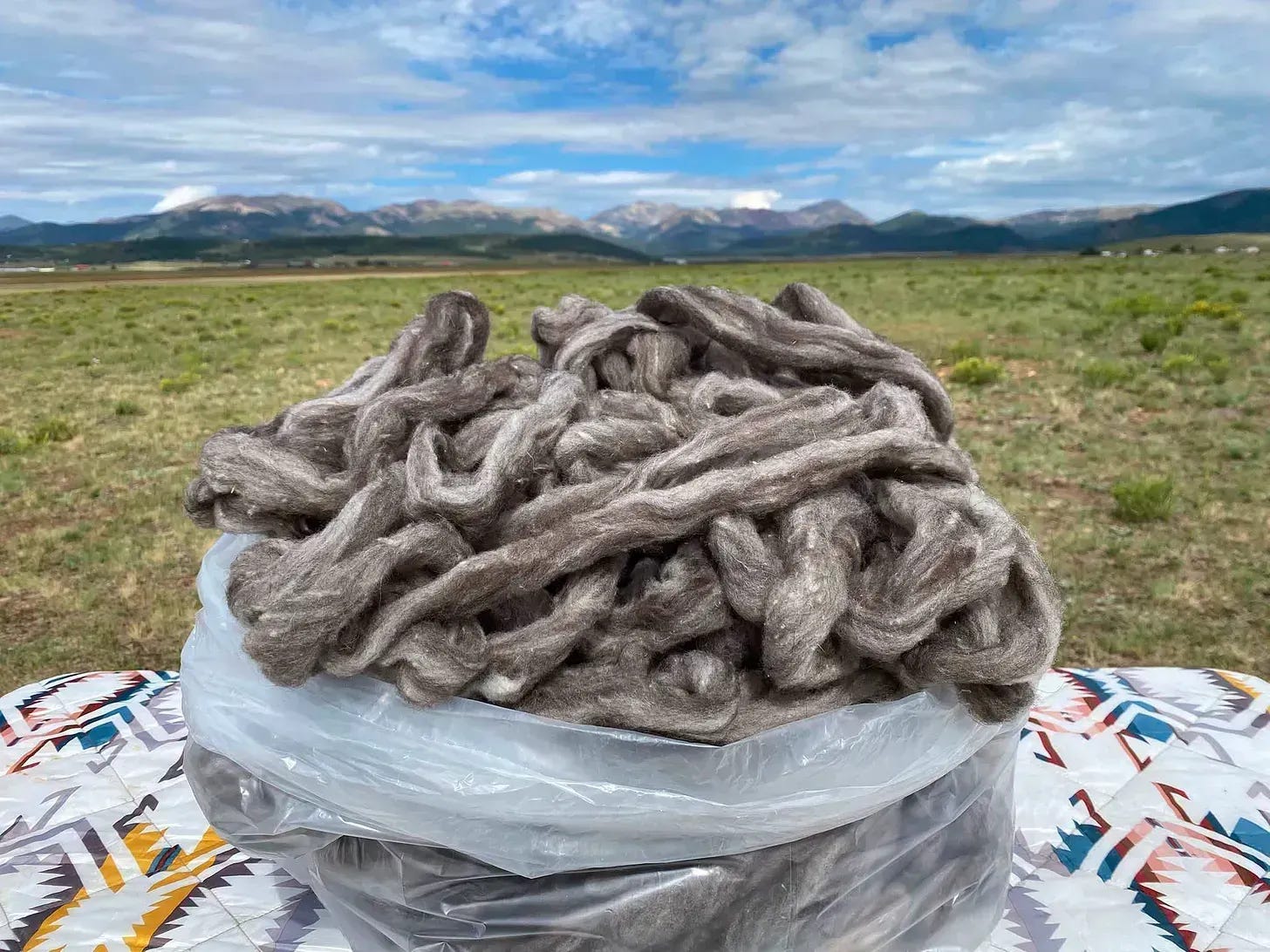
Next time you reach for something to wear, choose the real thing. Invest in a wool coat, an alpaca sweater, or a yak undercoat layer. Your skin will thank you, the planet will breathe easier, and future generations will inherit cleaner oceans and richer soil. In the battle between nature’s genius and humanity’s shortcuts, the natural fibers win—hands down, fiber by fiber.
It’s time we dressed like we actually care about the world we live in.
Hi all, starting from 2026 we are selling raw yak undercoat and fiber mill processed 50/50 Yak/Merino roving (yes we raised Merino too! ) More info here:
https://blog.thedancingyakranch.com/p/yak-fiber