
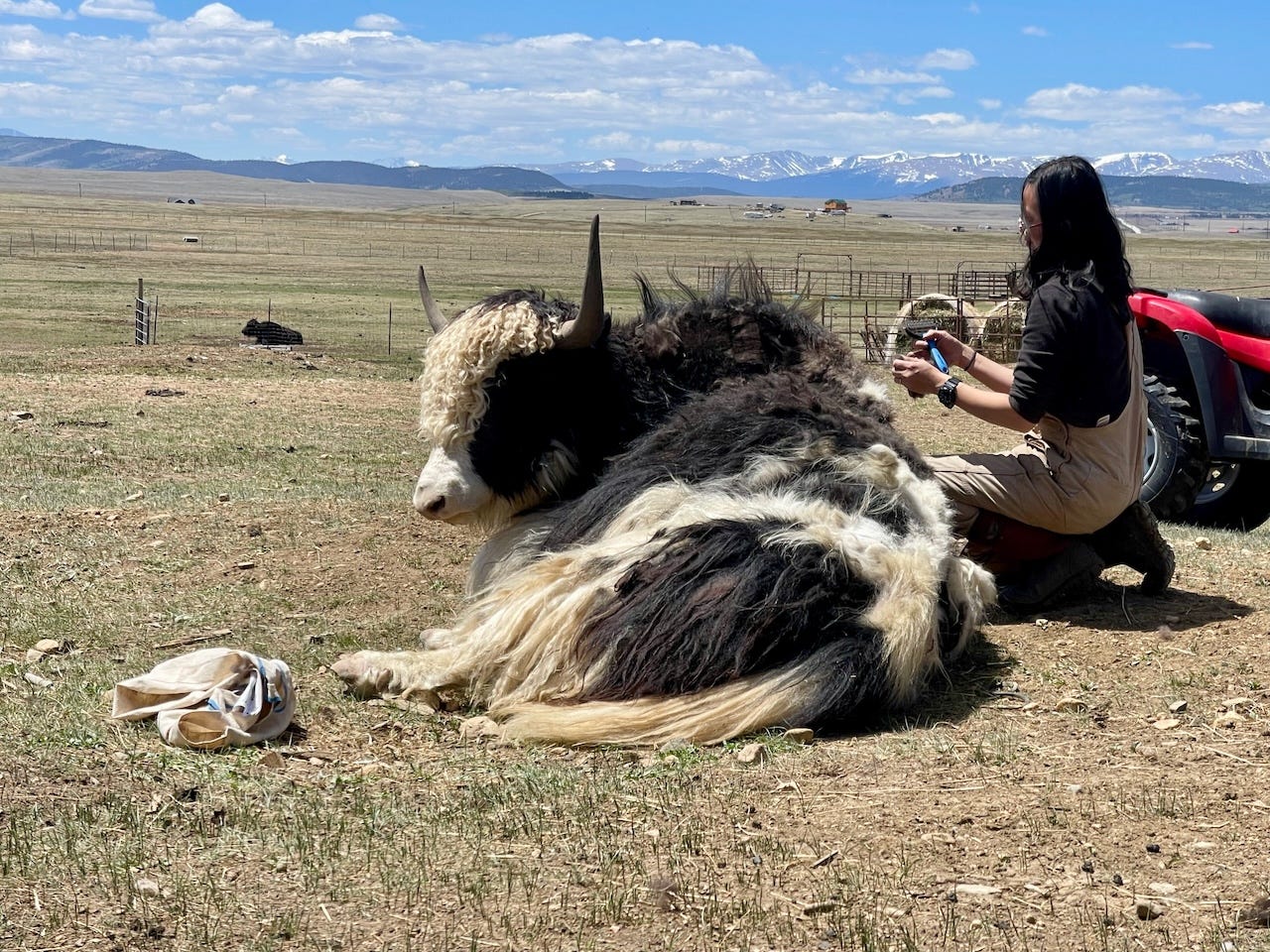
American bison and North American yaks are frequently discussed together. Both are cold-hardy bovids that nearly disappeared or remain genetically fragile, and both have found a practical path forward through private ranching rather than relying solely on parks or nonprofit preserves. The bison story is the more famous one: driven to the brink in the late 19th century, the species recovered largely because ranchers and entrepreneurs turned them into a commercial meat animal. That model is often called “conservation through commerce.” North American yaks follow a similar logic, but the path is narrower and more delicate.
Ranching as Conservation
Bison recovery is a clear success. From a few hundred animals at the lowest point, the North American population now exceeds 400,000, with the large majority living on private ranches raised for meat. Public and tribal herds matter for genetics and ecology, yet commercial demand created the scale that made long-term survival possible.
Yaks in North America face a parallel challenge on a smaller stage. The purebred or heritage population descends from early 20th-century imports and is listed as Critically Endangered by the Livestock Conservancy. Annual purebred registrations remain low (under 200 in the United States in recent years), and the total purebred numbers are estimated in the low thousands or fewer. Organizations such as NAYAK promote ranching precisely because pure conservation funding has not been enough to secure the breed’s future.
The comparison is therefore natural: both species illustrate that making an animal economically useful on private land can be the most effective way to keep it from disappearing.
Where the Paths Diverge: Growth Rate and Scale
Bison reach typical market weights (often 400–550+ kg live) in roughly 20–30 months under commercial conditions. Yaks grow more slowly. Market or preferred slaughter ages commonly fall in the 2–4 year range (sometimes longer for optimal quality), and mature weights are generally lower. This longer timeline increases the cost of carrying animals and slows capital turnover.
As a result, large-scale commercial systems favor bison. High throughput, established processing infrastructure, and a recognized meat market allow bigger operations to function efficiently. Yaks do not match that model as cleanly. Their slower growth makes pure meat-focused, high-volume ranching less competitive. Attempts to force them into the same large-scale template strain the economics and reduce the incentive for private landowners to expand purebred herds.
This is why yak preservation is more delicate. The commercial pathway that worked so well for bison requires adjustment for yaks. It works best at the scale of smaller independent ranches rather than industrial operations.
What Makes Smaller Yak Ranches Viable
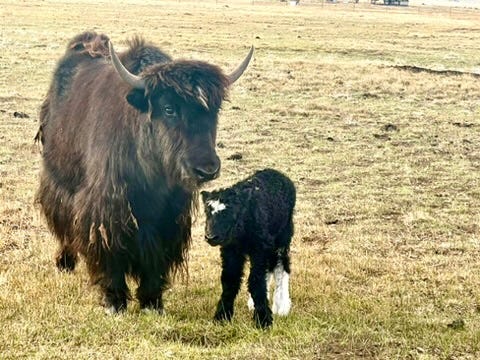
Yaks are not single-purpose meat animals in the same way most commercial bison are. They produce a high-quality undercoat fiber that commands specialty prices, and their milk is rich in butterfat (useful for cheese and other products when operations choose to pursue it). Breeding-stock sales, limited agri-tourism, and other secondary streams also appear in many herds.
Large operations struggle to scale these secondary products efficiently at that size: Fiber volumes remain modest, milking is labor-intensive and rarely commercialized at volume in North America, and the specialized markets for these goods favor direct-to-consumer or artisan channels. Smaller independent ranches can manage diversified income more flexibly, keep infrastructure costs lower (yaks are generally more docile and require less robust fencing than bison), and target the premium buyers who value both the product and the conservation story.
In short, the multi-purpose nature of yaks is essential for the smaller ranches that currently offers the most realistic route to genetic preservation.
Closing the Loop: Customers Share the Benefits
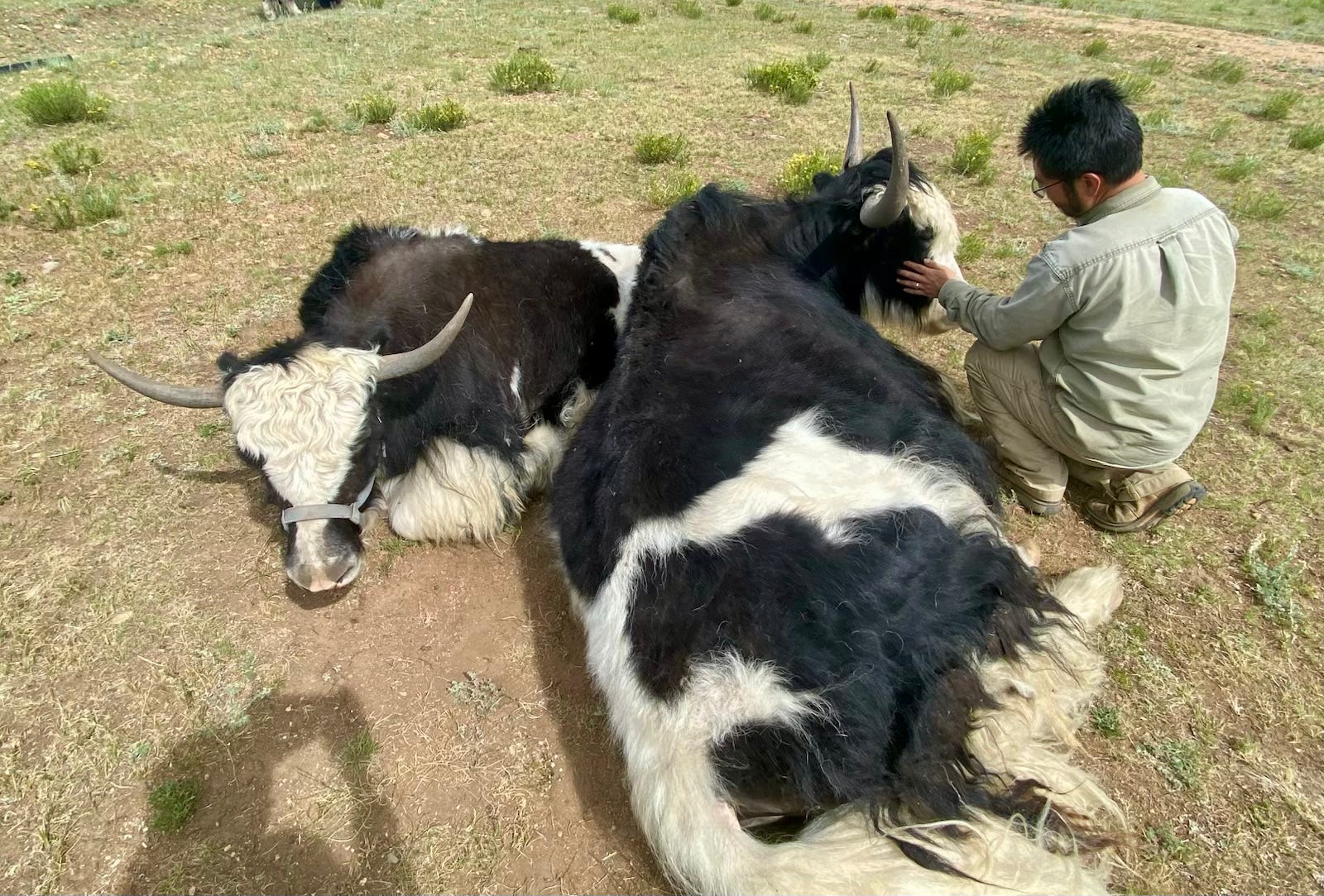
When smaller ranches succeed, the yak population expands and genetic diversity is maintained. Customers who buy yak meat, fiber, or related products participate directly in that outcome. They receive lean, high-protein meat, soft and warm fiber, and the knowledge that their purchase supports a rare breed whose North American heritage line might otherwise fade. The transaction is not only commercial; it is also a practical act of conservation.
This feedback loop is more fragile than the bison version. Bison numbers are already large and the industry is mature. Yak numbers remain small, purebred registration is limited, and the economics depend on producers who can juggle multiple products and on buyers willing to pay for quality and story. If those smaller operations cannot stay viable, the preservation pathway weakens.
Summary
Private ranching can be utilized to save rare livestock when pure conservation efforts fall short. The multi-purpose traits of yaks—meat, fiber, and potentially dairy—become the economic foundation that keeps those smaller ranches afloat. The shared interest between local ranch customers and local yak ranches is essential for the conservation efforts to be successful.